Newsletter
Summer 2026
July 1, 2026

Photo by: Courtnie McMillanOn May 27, 2026, Narrowing the Front Door (NTFD), in partnership with Council Member Alexa Aviles, hosted a legislative breakfast to introduce the proposal for a New York City Office of Family Wellbeing. The breakfast brought together community organizations, City Council members, reporters, advocates, foundations, and people impacted by the family policing system to learn more about the vision behind the proposal and its community-based approach to supporting families.
Speakers included Narrowing the Front Door Co-chairs Angela O. Burton, attorney, founder, and co-convener of Repeal CAPTA workgroup, and Joyce McMillan, founder and executive director of JMACforFamilies. They were joined by NTFD members, Shalonda Curtis-Hackett, who serves as community outreach coordinator for Neighborhood Defender Services’s Family Defense Practice; Nora McCarthy, executive director of the New York City Family Policy Project; Kym Hardy Watson, president and CEO of Graham Windham; and Council Member Alexa Aviles. Together, they highlighted why an Office of Family Wellbeing is needed to support parents and children in New York City and how it will create pathways to services outside of ACS.
We developed the vision for the Office of Family Wellbeing with a learning community of impacted families and support from the Innovation Team (I-Team), a design and planning group in the Mayor’s Office. Shamara Kelly is the co-founder of Sisters in Purple and member of our learning community. Kelly described her lived experience navigating domestic violence, the family policing system, and the challenges of finding support for herself and her child. Kelly wrote:
“There is no handbook for motherhood. There is no perfect roadmap for raising children while surviving, healing, and navigating systems at the same time. Creating Sistersinpurple came from that reality. Showing up as a thriver came from that reality too. I know what it means to be impacted by multiple systems while still fighting to hold your family together. That is why a vision for a NYC Family Well-Being Office matters. Families need support before a crisis. Mothers need spaces where they are met with care instead of punishment. Survivors need holistic responses that recognize how mental health, housing, poverty, domestic violence, and family policing all intersect. The people closest to these experiences should not only be included in shaping solutions–we should be leading them.
The legislative breakfast marked an important step in building public awareness and political support, and signaled the beginning of a broader campaign to advance this vision across New York City. Stay tuned for additional public events. Our proposal was described in a recent Daily News Op-Ed by Joyce McMillan and Kimberly Watson and in a recent piece by NTFD co-chairs in the Center for New York City Affairs’ Urban Matters.
Angela O. Burton, attorney, advocate, founder and co-convener of the Repeal CAPTA Workgroup, and co-chair of Narrowing the Front Door, sat down with Valerie Frost, the host of Community In-Site, to discuss her recent candidacy for
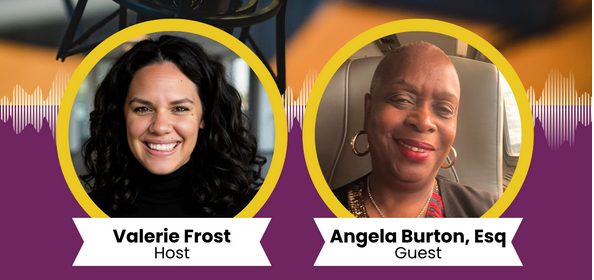
Commissioner of the Administration for Children’s Services (ACS) and what that leadership could have looked like for New York City families using an abolitionist framework. The conversation explored the changes needed to better support Black and Brown families and reimagine how safety and well-being are achieved.
In this episode, Burton outlined a practical vision for moving away from family surveillance and punishment toward community-based systems of support and care. She argued that strong communities, not “child welfare”systems are the foundation of family safety and well-being. Rather than relying on investigations and family separation, Burton advocates for investments in housing, economic stability, childcare, and trusted neighborhood networks that can help families meet their needs and prevent an urgent situation from occurring.
Burton also discussed how abolitionist principles can be translated into leadership and governance, what a family-centered public system could realistically look like, and how accountability and decision-making would need to shift. She reflects on what it takes to move from critique to implementation. Burton explained her vision for abolitionist change: “Abolition really is the path forward and the path forward in the abolitionist framework is about dismantling on the one hand, harmful practices and policies, laws, ideologies, and ways of thinking about families. And actually building in communities, supports for families so that the pressure that leads to the sorts of things the system is designed to target are minimized and hopefully, ultimately eliminated."
Throughout the conversation, Burton makes it clear that the harsh reality is that Black and Brown families experience disproportionate surveillance and intervention from the family policing system, while the underlying causes of instability -- poverty, housing insecurity, inadequate healthcare, and chronic underinvestment -- remain largely unaddressed. She maintains that improving family well-being requires shrinking the system and this means, shifting power and resources to communities, trusting families to identify their own needs, and prioritizing the network of supports and resources that parents and children need to thrive.
Apple PodcastSpotifyWatch HereReview materials provided by Burton, highlighting local efforts across New York City:
Learn more about:
Thriving Families, Safer Children
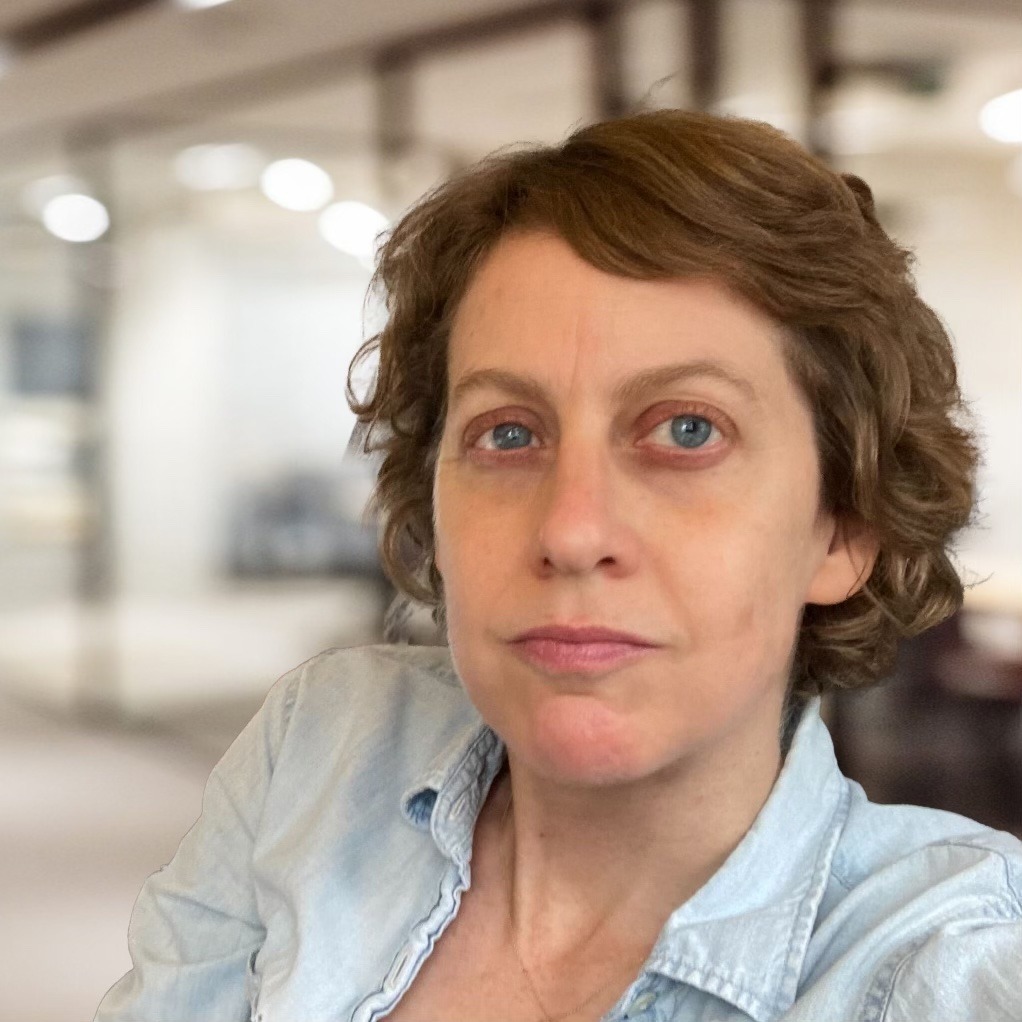
Nora McCarthy, co-founder of the Family Policy Project, member of Narrowing the Front Door, and former director of Rise draws parallels between New York City’s public safety strategy and its approach to “child welfare.” She challenges the city’s heavy reliance on investigations by the Administration for Children’s Services (ACS), while recommending greater investment in neighborhood resources that strengthen families. McCarthy explains ACS investigations are often used as a response to family stress and hardship. As she notes,“Nearly 1 in 20 New York City families faces a child protective case every year, even though 93% of these cases are not serious enough to lead to further intervention.”
As an example of this approach, McCarthy points to the city’s broader public safety plan: “Mayor Zohran Mamdani understands this logic when it comes to safety. His campaign was built on the premise that over-reliance on law enforcement to manage social problems causes its own harms–and that a community-rooted approach could produce better outcomes. That’s the vision behind the new Office of Community Safety. Now, he has an opportunity and responsibility to apply that same logic to child welfare.”
McCarthy also points to research showing that neighborhoods with strong community connections–including community organizations, parks, libraries, peer support networks, and opportunities for civic engagement–experience lower rates of crime and “child welfare” system involvement. The goal is to increase investment in communities, strengthen neighborhoods and families by providing support outside of ACS, in turn, reducing contact with the “child welfare” system, and ultimately reducing harm.

Photo: Courtesy of Tiffany CaldwellIn a recent Q&A with Tiffany Caldwell, a longtime disability advocate and visiting fellow at the Center for New York City Affairs (CNYCA), and Courtnie McMillan, communications and engagement manager for the Narrowing the Front Door Workgroup, reflected on the lasting impact of family separation on children and families. Drawing from their own experiences, they described how separation from parents can cause trauma that extends far beyond reunification. Caldwell shared the experiences she and her daughter faced when being unable to access high-quality programs for children with disabilities and the impact it had on their lives, ultimately causing family separation.
The Q&A challenges the notion that family separation is a temporary intervention, emphasizing that its effects can persist for years and, in some cases, a lifetime. Caldwell calls for policies that prioritize family support and community-based resources, making the connection to the proposal for the Office of Family Wellbeing. Caldwell states:
“It’s why I see so much value in that idea. I think about my mother, my siblings, my daughter, and myself. All of our lives were touched by family separation, and I can't help but wonder what might have been different if something like this had existed for our family now and generations ago.”
“Those experiences are also part of why I care so deeply about this work today. I see so many gaps in the resources available to families because I’m involved in community efforts. I also see parents unwilling to be honest about their needs because the system is structured to punish. The Office of Family Well-Being could change all of this. It would support already-present community-based approaches, especially for Black families because we’re often targeted.”
As a visiting fellow, Caldwell indicates that her work will “focus on helping the public and policymakers better understand gaps in family services and supports, especially for families raising children with disabilities, through public forums, focus groups, and writing.” Read More Here
Stolen Children's Month is not over!
Stolen Children's Month & Narrowing the Front Door are coming together for a real, strategic conversation about keeping momentum moving forward while navigating the realities of funding abolitionist work.
We'll talk candidly about what it looks like to engage with city agencies and institutional funders that are beginning to shift toward community-led, grassroots investment.
This isn't a theoretical conversation. Come ready to think, question, and strategize together about building a world where no child is stolen and how to fund the work that gets us there.
Date: July 9, 2026
Time: 6:00 pm
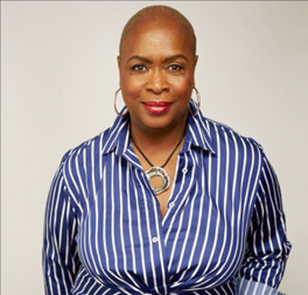
On June 10th, the Center for Family Representation (CFR) honored Angela O. Burton as its 2026 “Champion for Family Justice” Honoree at the organization's 24th Annual Benefit in Support of Family Defense. For more than three decades, Angela has been a leading voice for family justice, working alongside parents, children, and communities to challenge the harms of the family policing system. This recognition reflects her leadership, advocacy, and commitment to families, which has shaped a vision for child welfare and family well-being that centers on community, prevention, and equity.
During the event, Joyce McMillan introduced Burton. Her remarks highlighted Burton’s deep dedication, “When parents are rallying and protesting in front of City Hall, Angela is there. In Albany, Angela is there. In Washington D.C., Angela is there–Angela is anywhere and everywhere a family needs her to be. And that is why parent experts refer to her as “The People’s Lawyer and The People’s Commissioner.” Families experiencing family policing proceedings clearly know where she stands, and who she stands with, in moments of comfort and in moments of challenge and controversy.”

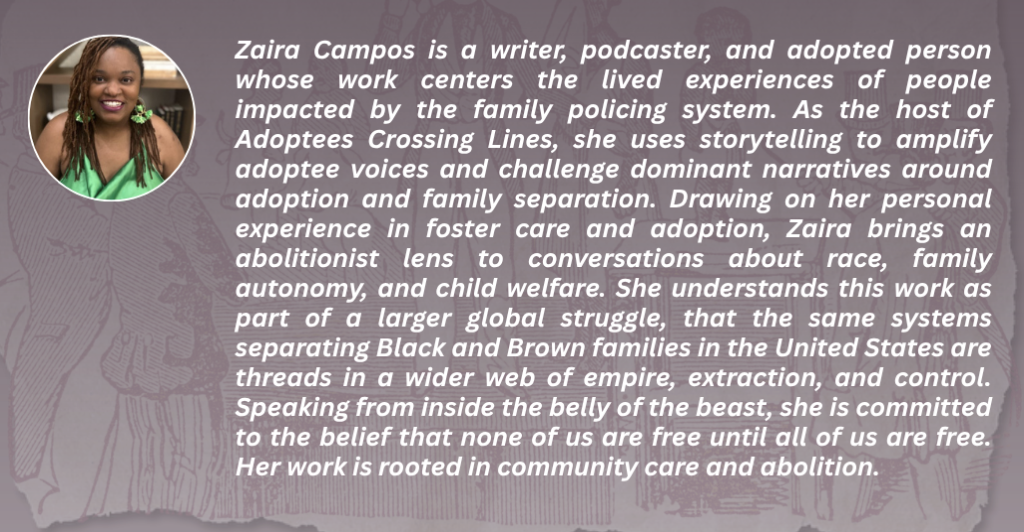
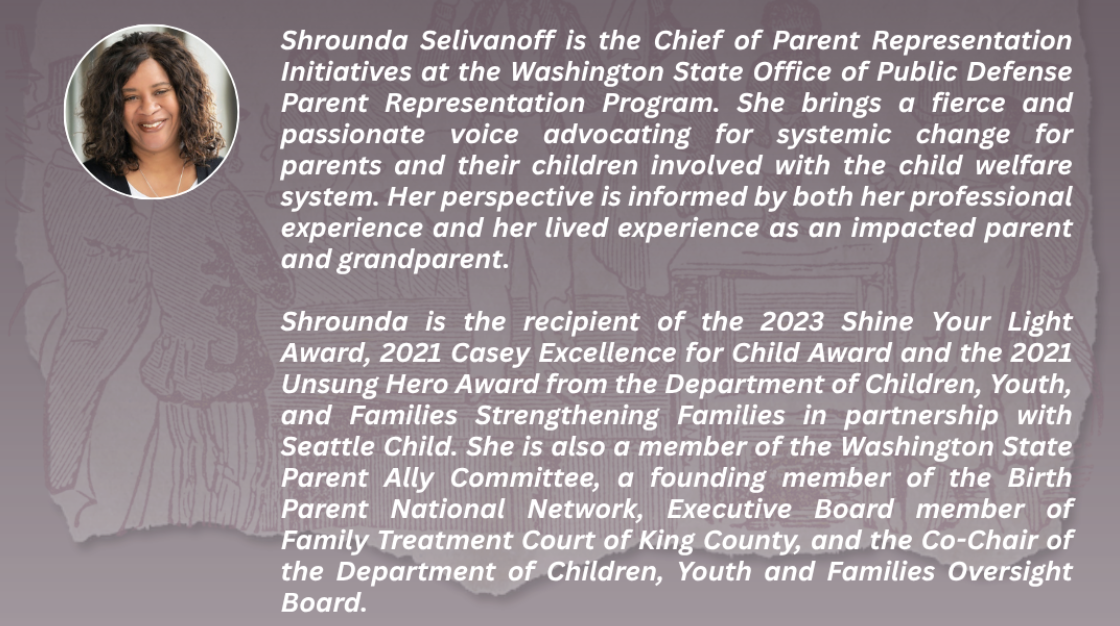
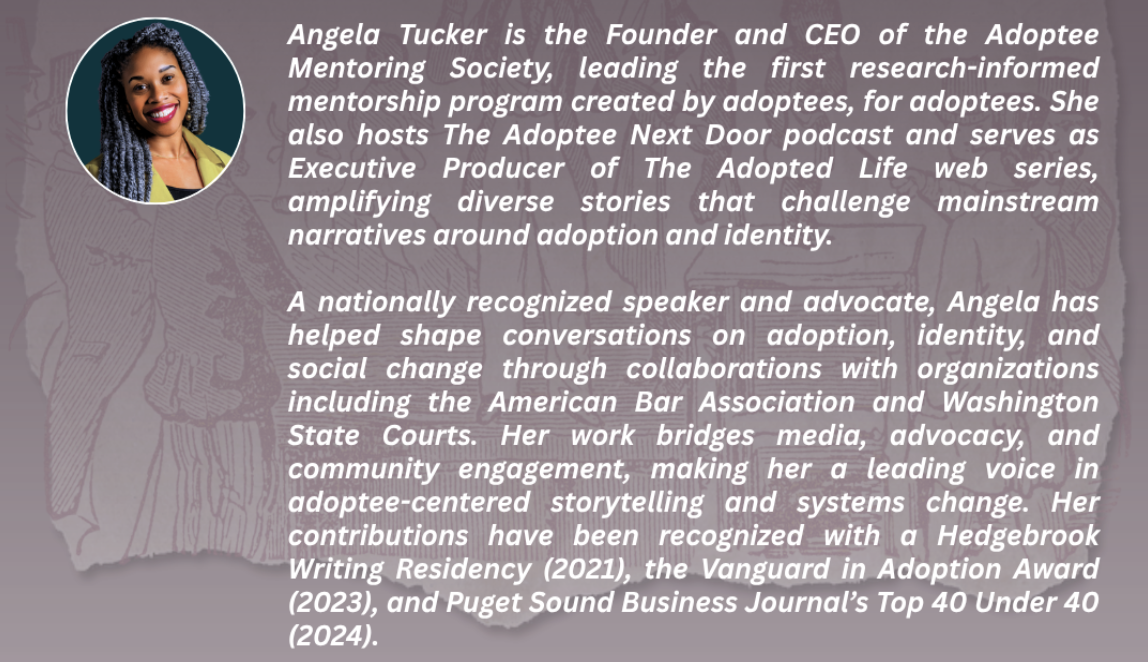
On May 22, 2026, Narrowing the Front Door hosted a webinar that centered the voices of those with lived experience and examined adoption celebrations and their impact on Black and Brown families. The webinar highlighted the trauma and pain of family separation that adoption celebrations mask. Panelists shared their lived experiences with adoption and discussed the long-term challenges it creates. Explaining that there is an erasing of culture, identity, history, familial connections, displacement, and uncertainty about one’s identity. Panelist Michelle Lawrence stated, “Adoption is not a one time event!” Adoption is a life changing experience that follows someone who has been adopted and alters their ability to rebuild relationships with family and creates life-long trauma and grief.
Meet the Panelists


On May 15th, Joyce McMillan, founder and executive director, along with Project Partner and Center for New York City Affairs former Fellow, Courtnie McMillan, participated as panelists for an event, The Path Restored: Realities of the Road from Separation to Reunification. This event was hosted by the New York State Judicial Institute
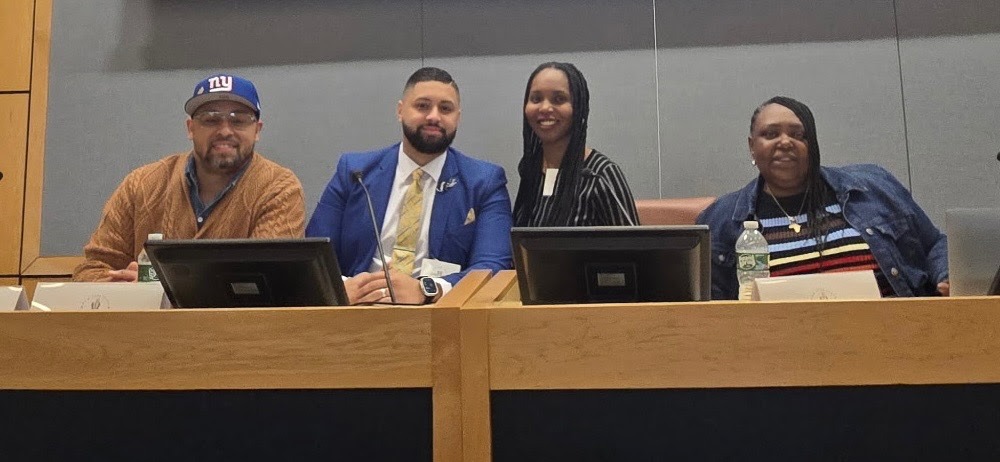
and highlighted how the contributions of advocates and directly impacted leaders are reshaping judicial training and reform throughout New York. The Judicial Institute plays a critical role in serving as the primary hub for research, training, and education within the state court system. Its mission ensures that judicial operations and decision-making across New York reflect the highest national standards for justice and equity.
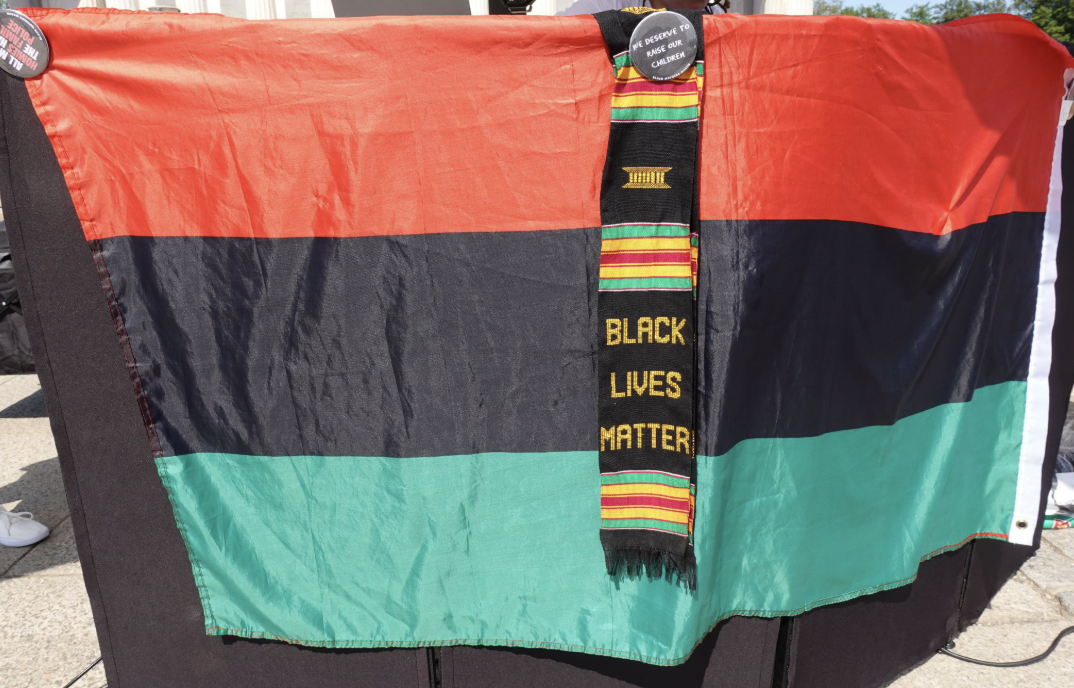
Photo by: Courtnie McMillan
The Black Mother’s March 2026 was held in Washington D.C. and was organized by a coalition of advocates. The event centered on the fight to end the Family Policing. JMACforFamilies acknowledged the persistent trauma inflicted upon Black families by the family policing system, which maintains surveillance and separation under the deceptive label of “protection.” Mothers deserve dignity and the right to nurture their children without fear of criminalization; JMAC’s mission is a future where Black motherhood is cherished and families receive resources rather than retribution.
JMAC shared that it was a privilege to unite with Black-led collectives and mothers–including those currently parenting, those striving for reunification, and those enduring the heartbreak of state-sanctioned loss.

Stay informed about our work to critically examine and reform New York City's child welfare system


