About NFTD

An Anti-Racist Approach to Shrinking New York City’s Child Welfare System and Promoting Black Child, Family, and Community Wellbeing

Mission of the Project

The New York City Narrowing the Front Door Work Group will critically examine the existing approach to protecting children and strengthening families to identify what is working, reveal what is not, and make recommendations aimed at ending arbitrary, abusive and unwarranted government disruption and destruction of families, establishing effective mechanisms to ensure accountability for past and ongoing harms of the family regulation system, and by instituting anti-racist public approaches to repair, heal, preserve, and strengthen Black families in New York City.
Who

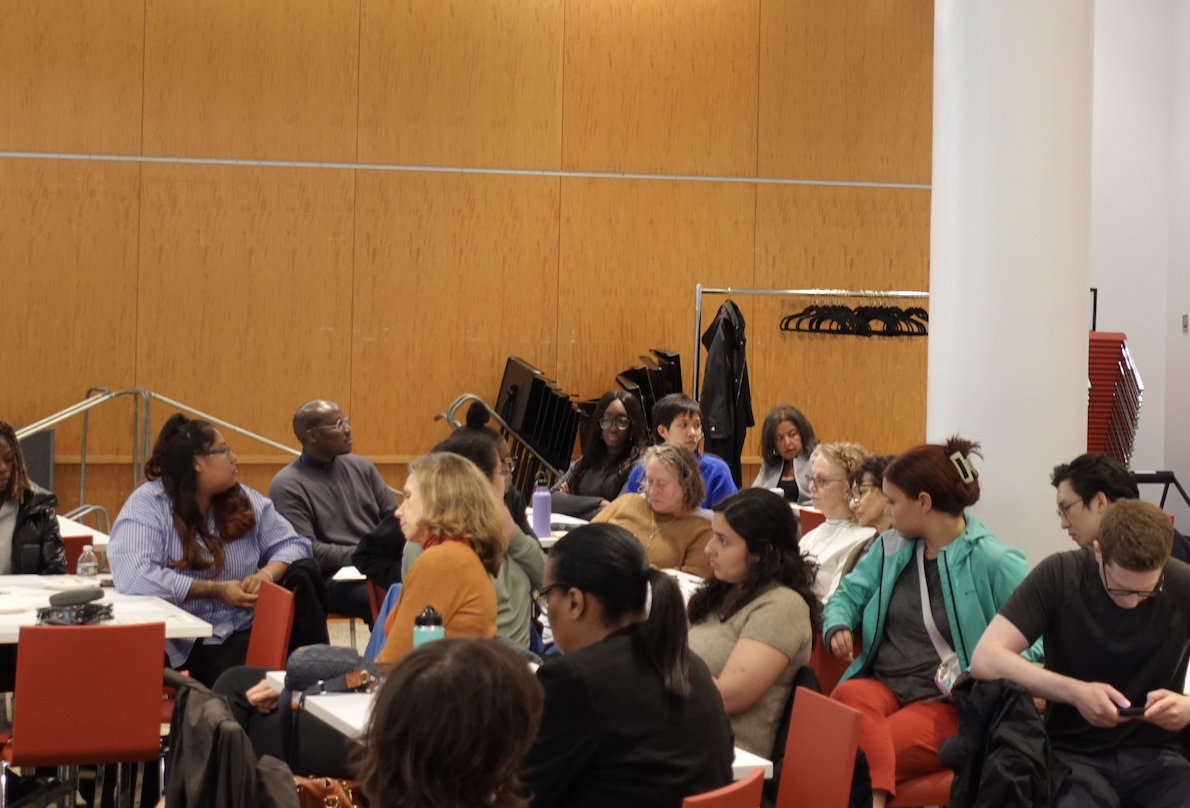
The New York City Narrowing the Front Door Work Group is comprised of youth, parents, and family members directly impacted by New York City’s child welfare system; community activists; lawyers for children and parents; academics; state and local government employees; and leaders in philanthropic and non-profit organizations who are committed to eliminating the destructive impacts of the child welfare system.

What

We have convened to identify and advocate for government and philanthropic investment in family and community strengthening approaches that cultivate and support New York City's children and families' safety, health, well-being and happiness, specifically Black children and families who are disproportionately targeted by the system.

Why

The child welfare system is often described as a system of protection.In practice, it operates in ways that harm families and undermine child and community well-being.

The Reality of the Child Welfare System

The child welfare system is framed as protection, but it often operates as control—through laws enforced by government agencies and contractors that enable investigation, surveillance, court involvement, and the threat of child removal, functioning as family policing or family regulation.

Harm Instead of Help

Most investigations do not find abuse or neglect, yet misguided accusations still pull families into the system—often resulting in destabilizing and traumatizing consequences that can continue long after cases are closed.

Disproportionate Impact

The burdens of the system do not fall equally: Black families are investigated at higher rates, Black parents are less likely to receive supportive services, and children are more likely to be permanently separated from their families.

Criminalization of Poverty

Hardship is often punished instead of addressed: housing insecurity and low wages are treated as risk factors, investigations can create quasi-criminal records, and those records can block employment and opportunity for years.

Structural Inequality

Racist policy shapes daily conditions that increase family stress—limited access to safe, affordable housing, under-resourced schools and infrastructure, inadequate transportation and job access, and a lack of green space and community investment.

The Cost of Systemic Harm

Family regulation produces generational trauma: children removed from their parents may later lose custody of their own children, many people spend much of their lives under system control, and harm accumulates across generations.

What Actually Keeps Children Safe

Children are safest when families have what they need—stable housing, adequate income, access to healthcare, and culturally responsive, individualized support that strengthens family stability and child well-being.

Vision

The New York City Narrowing the Front Door Work Group offers these shared perspectives as a foundation for New York City to chart a better course for its children and families going forward. While not all members of the group agree that the current system should be abolished in all respects, we have found common ground in the belief that the pathways into the system must be greatly narrowed.
We envision government and philanthropic approaches and funding choices that:

Shrink & Eliminate Surveillance

Shrink and ultimately eliminate mechanisms of surveillance, reporting, investigation, prosecution and punishment of families, particularly on the grounds of poverty framed as neglect.

Truth & Reconciliation

Prioritize a truth and reconciliation process that investigates the active role the family regulation system has played in the thinning and stressing of naturally existing supports within Black families and communities, with the aim of healing, repair, and disruption of future harm.

Highlight Strengths & Adaptations

Highlight the existing adaptations, strengths and fortitude within Black families and communities that are raising children who must contend with systemic racism in the larger society.

Enhance Self-Determination

Enhance the ability of Black families and communities to determine for themselves what child safety and child well-being means and that strengthen the ability of Black families to care for their children and that preserve family bonds.

Provide Financial & Community Support

Provide financial and capacity building support to community members and supportive, restorative and healing organizations as the primary responders to family crisis; and promote child and family well-being, including but not limited to universal access to:

Adequate, safe, and affordable housing
Guaranteed basic income
Paid parental, family and sick leave
Affordable and high-quality child care
Quality and accessible public education
Affordable and accessible health care
A child allowance
Meaningful access to food
Other resources that create conditions for all children to thrive

The New York City Narrowing the Front Door Work Group offers these shared perspectives as a foundation for New York City to chart a better course for its children and families going forward. While not all members of the group agree that the current system should be abolished in all respects, we have found common ground in the belief that the pathways into the system must be greatly narrowed.

About us

group Members

Narrowing the Front Door is led by a diverse steering committee