Newsletter
Spring 2026
March 30, 2026

Welcome to the Narrowing the Front Door newsletter! Here you’ll hear about events, resources, and information.

One of Narrowing the Front Door’s main priorities is the creation of a Office of Family Well-Being; it would provide community-based support for families without ACS interference.
In a January 2026 report, Narrowing the Front Door describes a vision for family wellbeing, ending unnecessary harm, and the action steps forward. As part of these action steps, NTFD is calling for a fundamental shift in how New York City responds to family crisis. Current systems, primarily driven by surveillance, investigations, and family separation by the Administration for Children’s Services (ACS) and the Family Court system, have caused well documented harm that has disproportionately impacted Black and Latinx families and children. Poverty-related challenges and family needs should not be met with a punitive, carceral response. Instead, the City should invest in community-based, public health approaches that strengthen families and prevent unnecessary system involvement. By shifting away from punishment and toward prevention, NYC has the opportunity to build a system that truly promotes family integrity, dignity, and wellbeing.
Some Key Recommendations:

An oversight hearing was held on February 26, 2026 by the New York City Council Committee on Children & Youth. The hearing examined racial disparities in New York City’s Child Welfare System and invited testimony on the Family Miranda bill. Members of Narrowing the Front Door testified in support of the legislation and about the challenges facing Black and Latinx families and communities that have been disproportionately policed and surveilled by the Administration for Children’s Services (ACS).
During the hearing, Linda Tigani, Chair and Executive Director of New York City’s Commission on Racial Equity (CORE) addressed the racial disparities in the family policing system and noted that CORE and NTFD are united “in the understanding that our government leaders, elected and non-elected must acknowledge the city’s role in perpetuating these harms and commit to a path of healing.” As part of Tigani’s testimony, she showed support for Family Miranda rights and other NTFD priorities including establishing an Office of Family Well-Being, providing families with direct financial support, and creating a Community-Led Accountability Council. NTFD has continued to build on our partnership with CORE to advance the efforts to create this council.
Joyce McMillan, Founder and Executive Director of JMACforFamilies and Narrowing the Front Door (NTFD) Co-Chair and Nora McCarthy, Executive Director of the New York City Family Policy Project and member of NTFD shed light on the importance of moving services out of ACS, and the creation of a Division of Family Well-Being that would provide comprehensive, community-based support for families without ACS interference.
McMillan’s testimony pressed on two critical points:
McMillan emphasized that “social support services and policing are different functions, and these functions are governed by different principles. And right now, we’re conflating these two functions and it’s very dangerous. Parents understand this, and rightfully so, DON’T TRUST ACS.”
McCarthy’s testimony also focused on the creation of an Office of Family Well-Being, what families say they need, and the barriers they face when trying to access services and support systems. McCarthy explained that “a neighborhood-based strategy that invests in grassroots organizations and the social fabric can ensure that families find the support they need.”
She noted that a new city Office of Family Well-being can:
The overall goal of their testimonies was to explain the importance of moving away from surveillance and towards proactive, community-based support that addresses the root cause of family crisis.
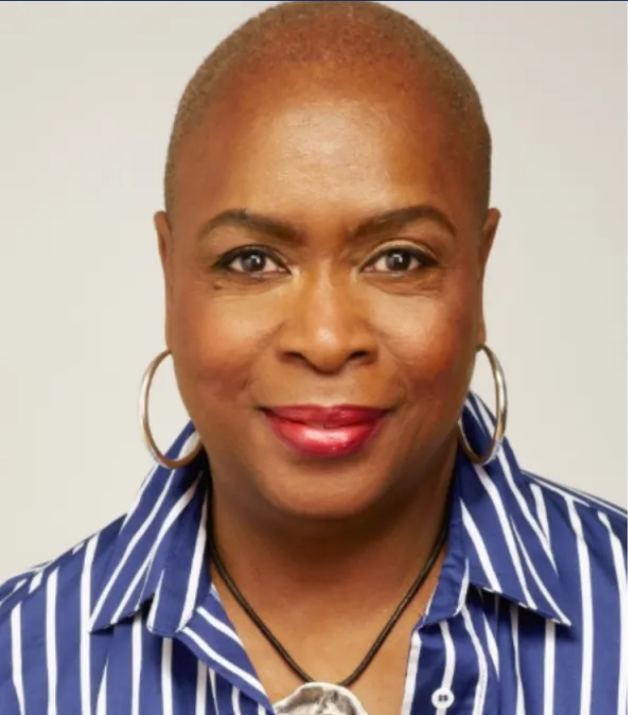
An article by NBC New York highlighted Angela O. Burton, Attorney, Founder and Co-Convener of Repeal CAPTA Workgroup, Advocate, and Co-Chair of Narrowing the Front Door and the debate over who will lead the Administration for Children’s Services (ACS). The shortlist for commissioner not only included Angela, but other reform voices. Burton has challenged the system, how it investigates and separates families, while continuing to speak openly about the harms of the family policing system and the experiences of Black and Latinx families and communities who are surveilled by ACS. Burton has argued that the current approach of ACS far too often punishes families in crisis rather than providing them with meaningful support.
Many were in support of Angela Burton becoming ACS Commissioner and believe that leadership informed by her views could help move the city in a new direction, towards accountability, prevention, community investment, and resources that would help families stay together. Critics, however, believed that the strong critiques about the family policing system and the changes Burton had proposed could negatively alter the way the family policing system operates.
If you missed it, you can read more here:

Angela O. Burton, Attorney, Founder and Co-Convener of Repeal CAPTA Workgroup, and Co-Chair of Narrowing the Front Door, sat down with the upEND Podcast to discuss and answer the many questions surrounding family policing abolition. Questions like:
Reclaiming Safety is upEND’s new anthology series that explores the idea of abolishing the family policing system. The hosts spoke with Angela Burton, who is also the editor of Reclaiming Safety, to answer important, frequently asked questions and propose effective, humane responses to crises that occur in Black and Latinx communities. The conversation reframed the narrative around children’s safety and challenges common assumptions about why society maintains systems like child protective services. To help answer this question, Burton restates a dominant societal belief about what child safety is: “Parents are the most dangerous threat to children that there is out here. Not poverty, not poor educational systems, not lack of housing, not any of these societal ills, but that parents are the biggest threat. And so we need a system to ensure that we can protect children, right?”
This episode questions the idea that “child welfare” agencies inherently keep children safe, instead suggesting that current systems often criminalize poverty, disability, and marginalization under the guise of child protection. The conversation touches on safety and what that looks like reframed, not as surveillance and threat of removal, but as community support, resources, and structural investments that ultimately would prevent harm. Some examples of support:
Abolitionists argue that abolishing punitive systems doesn’t mean children are unprotected, it means protection is based in humane, community-centered responses rather than coercion. The hosts clarify that abolition is not about ignoring harm or leaving children vulnerable. Instead, it’s about rethinking the collective response to harm, separating it from punitive, surveillance systems and ensuring real, supportive care.
A recent NY Times article explores a growing debate, especially in New York City about whether frequent school absences should trigger reports to the State Central Registry that ultimately get reported to the Administration for Children’s Services (ACS). Schools utilize attendance to ensure that children are in school, safe, and learning, but experts argue that involving the family policing system can and does harm families when the root problems are social and economic.
When a student misses a significant amount of school, unexcused absences, educators may be required to report it as possible neglect. These calls turn into unnecessary investigations and surveillance. Many of the absences stem from other challenges that families are facing, but not neglect, such as:
Involving the family policing system in situations like this causes trauma and are misguided. Investigations aren’t solving the underlying problems, they are just exacerbating them. One way to address this issue would be to offer support to the families instead of reporting them.
Nora McCarthy, the executive director of the New York City Family Policy Project and member of Narrowing the Front Door was quoted in the article, stating, “We just don’t really have a good response on kids missing school — and it shouldn’t be penalizing and frightening parents.” School personnel are one the highest reporters to the SCR for educational neglect. The Family Policy Project brief notes that about forty percent of NYC education reports include allegations of “educational neglect,” called in for chronic absences. While some chronic absenteeism is driven by parents’ untreated mental health or substance use, many cases involve teen school refusal and truancy, or, with younger children, poverty-related stressors like housing instability, transportation, childcare gaps and lack of cold-weather clothing. These underlying issues should be addressed between the school and the family, not the family and ACS.

HEAL’s 11th cohort is now accepting applications. HEAL is a 12-week fellowship that builds parent leadership, while providing a space for communal healing, peer support, and political education. Participating parents learn to take on a more active role in influencing policy and addressing the issues within the family policing system.
Start Date: March 30, 2026

Abolitionists Social Work in Practice and Possibility
Thank you for joining Narrowing the Front Door on March 24, 2026 for a timely conversation about supporting families not surveillance. The webinar challenged narratives about social work by examining the real and often overlooked harms caused by systems that are meant to “help.” Panelists discussed how those harms show up in everyday social work practices and agency decision-making, while also highlighting what abolitionist social work looks like in action.
Stay tuned for more to come from this monthly webinar series.

On March 11, 2026 at the New York State Capital
JMACforFamilies, the Parent Legislative Action Network (PLAN), the Chief Defenders Association of New York (CDANY), the New York State Defenders Association (NYSDA), and advocates from across New York State called on the legislature to stand in defense of families. Advocacy Day consisted of calling for action around four pieces of vital legislation that will narrow the front door to CPS surveillance. The four bills that they provided education around are:
The goal of Advocacy Day was to work to shrink the pathways through which New York’s most marginalized families are funneled into the family policing system and to ensure that families currently navigating this system are treated with dignity and respect.

As we celebrated Black History Month, Narrowing the Front Door held a webinar on February 24th that focused on conversations about the legacy and present-day realities of family separation in Black communities. These conversations highlighted the lived experiences of the panelists–panelists who are working to create systems that ensure the well-being of families. The conversations during the webinar examined race, power, and narratives that have shaped decisions around who is deemed a “fit” family and what is not. Panelists included, Louie Gasper, a systems advocate and lived expert, Toia Potts, a resilient survivor and fierce activist in North Carolina, Derrick Stephens, co-founder and system navigator for ALEYU, and April Lee, community activist based in Philadelphia. These four panelists grounded the conversation in lived experiences, policy, history, and abolitionist thinking, arguing that today’s system is not broken, it is functioning as it was historically designed.


Stay informed about our work to critically examine and reform New York City's child welfare system


